
Neurological Sequelae After Electrical Injury
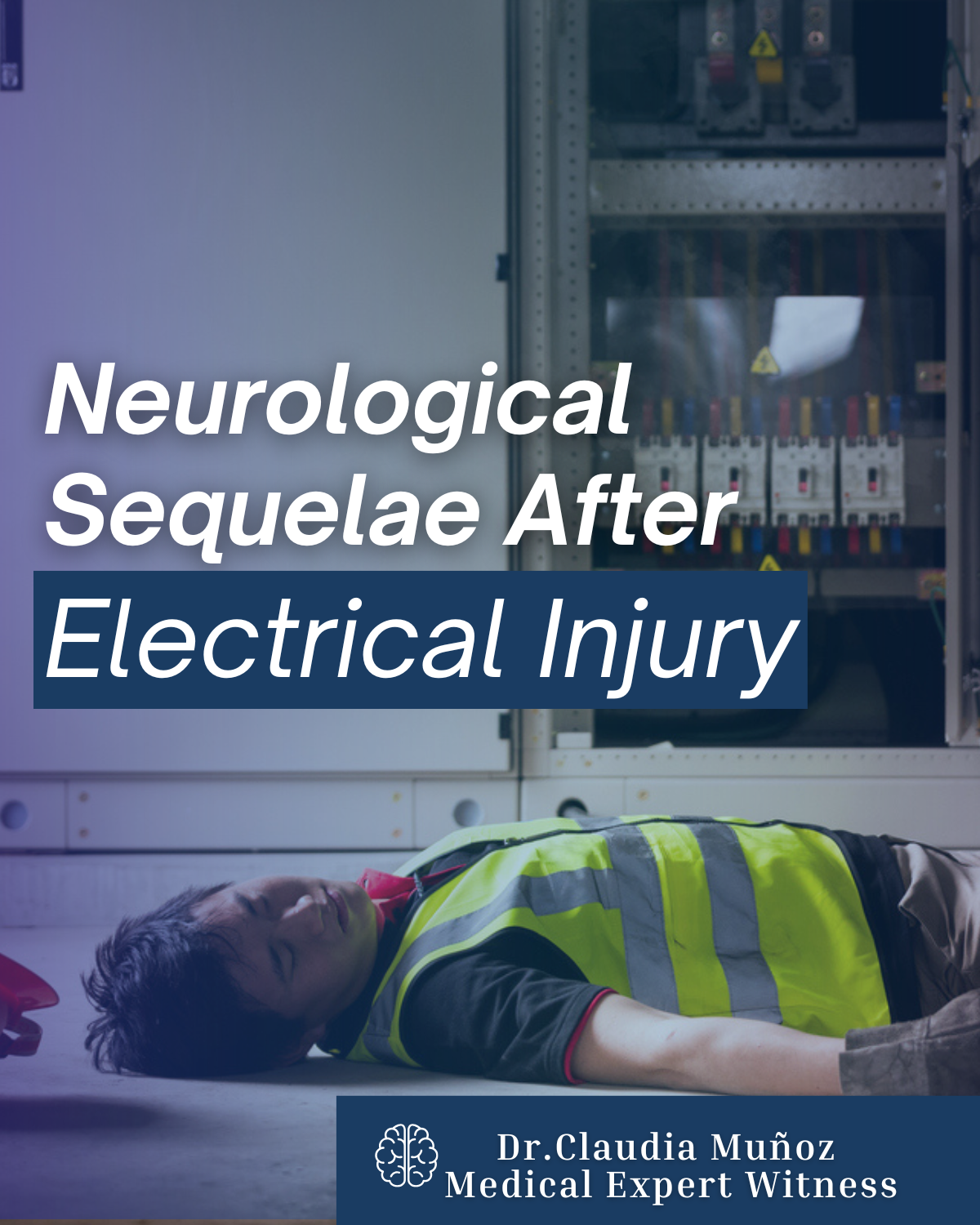
Electrical injuries are often evaluated based on visible burns or musculoskeletal damage. However, from a neurological perspective, electrical exposure represents a significant neurobiological insult that can result in lasting dysfunction—even when external injuries are minimal and imaging studies appear normal.
Electrical current interacts directly with excitable tissues, particularly neurons. Unlike blunt trauma, electrical injury may disrupt neurological function without producing overt structural lesions.
Key mechanisms include:
Disruption of neuronal cell membranes
Altered ion channel function affecting signal transmission
Excitotoxic injury from abnormal neurotransmitter release
Metabolic dysfunction impairing neuronal recovery
These mechanisms closely resemble those seen in traumatic brain injury (TBI), especially in mild and moderate cases.
Can affect both:
Central nervous system (CNS): leading to cognitive, balance, and behavioral symptoms
Peripheral nervous system (PNS): resulting in sensory changes, neuropathic pain, weakness, or autonomic dysfunction
Symptoms may be delayed, evolve over time, or fluctuate, reflecting ongoing neuroinflammatory and metabolic processes rather than a static injury.
Why Imaging May Appear Normal
CT scans and standard MRI are designed to detect macroscopic structural damage. Electrical injuries, however, frequently produce microscopic and functional abnormalities—disrupted neural connectivity and metabolic impairment—that fall below the resolution of routine imaging.
As a result, normal imaging does not rule out neurological injury following electrical exposure.
Common Neurological Sequelae
Patients may experience:
Cognitive slowing and impaired concentration
Memory disturbances
Chronic headaches
Sensory abnormalities or neuropathic pain
Balance or coordination difficulties
Mood or behavioral changes
Mental fatigue and sleep disturbances
These symptoms can significantly affect daily functioning and long-term outcomes.
Electrical injury cases require specialized neurological evaluation. When objective findings are subtle, accurate interpretation depends on clinical correlation, symptom progression, and established neurobiological mechanisms—not imaging alone.
Understanding functional neurological injury is essential for informed clinical and legal assessment.
If you are handling a case involving electrical injury, traumatic brain injury, or complex neurological symptoms and require medical expert witness support, Dr. Claudia is available for consultation.
📩 For inquiries or case collaboration:
doctor.claudia@gmail.com
info@drclaudiamunoz.com
Dr. Claudia Muñoz, MD, MPH
Neurologist | Medical Expert Witness
