
Electrocution and TBI: Why Delayed Symptoms Don't Disprove Causation
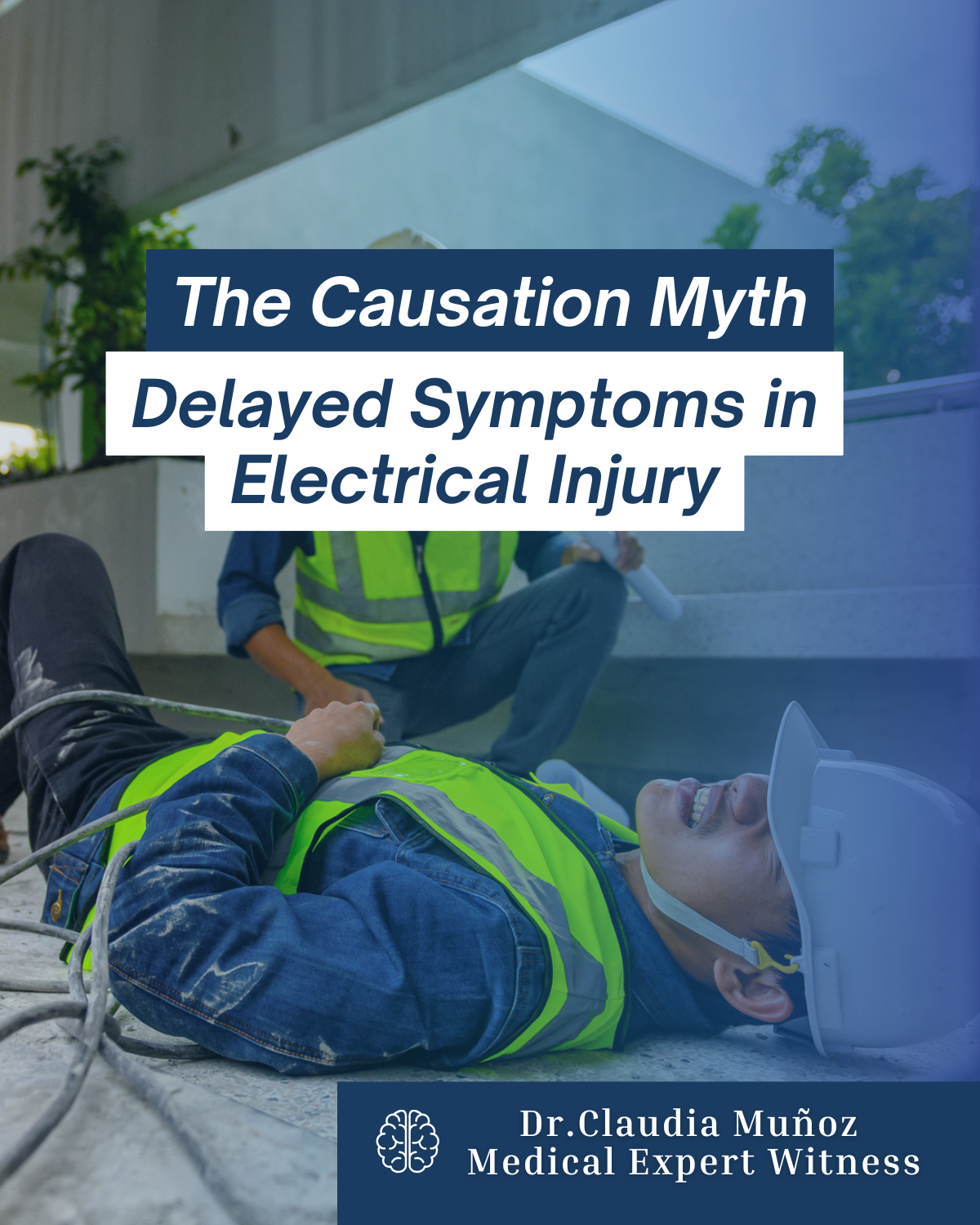
One of the most common arguments I see raised against electrocution and TBI claims has nothing to do with the medicine — it's about timing. If a client's symptoms didn't appear until days or weeks after the incident, opposing counsel or an insurer will often argue that the delay itself disproves causation.
It doesn't. And understanding why is critical to building a defensible case.
Unlike a traumatic blow to the head, where symptoms often appear right away, electrical injury frequently produces a delayed neurological picture. This is a recognized clinical pattern, not an exception to be explained away:
· New-onset seizures can appear weeks or even months after the initial event.
· Cognitive changes — memory, processing speed, concentration — may not be apparent immediately.
· Mood and sleep disturbances often emerge gradually rather than at the scene.
The reason comes down to mechanism. Much of the injury from electrical current happens at a cellular level: disrupted neuron membrane function, oxidative stress, and microvascular effects that unfold over time. These processes don't necessarily produce observable symptoms on day one — they surface as the underlying disruption compounds.
The typical defense argument goes something like this: if the injury were real, symptoms would have shown up right away. Since they didn't, the current complaints must be unrelated to the incident or exaggerated.
This argument treats delayed onset as suspicious rather than expected. But delayed presentation is a documented pattern in electrical CNS injury. Treating it as disqualifying misunderstands the underlying biology — it's not a gap in the evidence, it's part of how this specific type of injury behaves.
What Actually Matters for Causation
Timing alone isn't the test. The real questions are:
Is the delayed presentation consistent with the injury mechanism? Voltage, current pathway, and duration of contact all inform whether a given timeline is plausible for the injury described.
Do the clinical findings support a neurological injury, regardless of when symptoms appeared? A thorough neurological and neuropsychological evaluation can establish injury independent of the timeline dispute.
Has a qualified expert reviewed the full clinical picture against the medical literature? This is where a well-documented expert report does the most work — connecting the timeline, the mechanism, and the clinical findings into a coherent, defensible narrative.
If you're handling a case where the defense is leaning on timing to challenge causation, don't let the gap between incident and symptom onset become the centerpiece of the other side's argument. It's a well-understood feature of electrical injury, not a weakness in your client's claim — but it needs to be explained clearly and supported by a credible medical opinion.
As always, causation in any individual case depends on the specific facts — voltage, current pathway, AC vs. DC exposure, duration of contact, and the patient's full clinical history. This article reflects general clinical patterns, not a determination for any specific case.
Work With a Medical Expert Witness
If you have a case where timing is being used against your client, a clear, well-supported expert opinion can close that gap. I provide independent medical examinations, medical record review, expert report writing, and deposition and trial testimony for plaintiff and defense attorneys handling electrical injury and traumatic brain injury cases.
📩 doctor.claudia@gmail.com | info@drclaudiamunoz.com
Dr. Claudia Munoz, MD, MPH Neurologist | Epileptologist | Medical Expert Witness
#TraumaticBrainInjury #ElectricalInjury #Neurology #MedicalExpertWitness #ForensicNeurology #LitigationSupport #PersonalInjuryLaw
