
How Electrical Contact Causes Brain Injuries
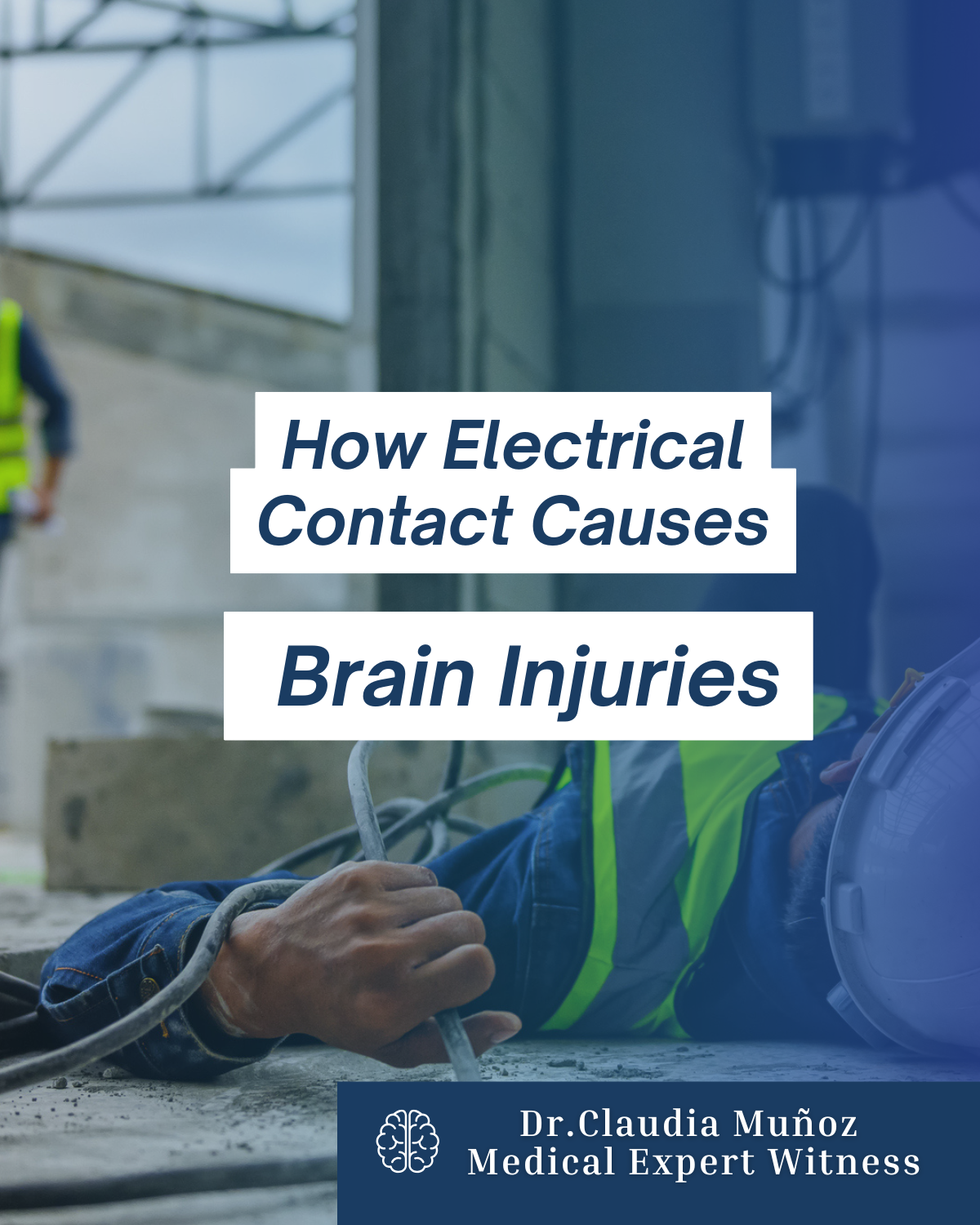
Electrical injuries are typically associated with burns or cardiac damage. But for attorneys handling these cases, the more critical — and often overlooked — injury is neurological. Electrical contact is a direct, independent cause of traumatic brain injury, and understanding how strengthens both case evaluation and expert testimony.
At the cellular level, electrical current can destabilize neuron membranes through a process called electroporation, disrupting the ion exchange neurons need to function. This is a recognized mechanism of neurological injury, and it can occur without any visible burn — the brain can be injured even when the skin shows little sign of contact.
There's also a second, independent injury pathway: secondary trauma. Muscle contraction, loss of balance, or brief loss of consciousness during a shock often causes falls or impacts, producing a traditional impact-based brain injury layered on top of the electrical one. A single incident can therefore involve two distinct, compounding mechanisms of injury.
Why "No Wound" and "Normal Scan" Don't Rule Out Injury
Two points matter most for case strategy:
No visible wound doesn't mean no injury. The absence of entry or exit marks doesn't rule out nervous system involvement. Evaluation needs to look beyond the skin, at indicators of neurological dysfunction.
Normal imaging doesn't mean no injury. Many patients with real, measurable deficits show entirely normal scans. This gap is one of the most common points of dispute in electrical injury litigation — and it's frequently misused to argue against a claim. The cellular damage involved often isn't visible on standard imaging at all. A thorough neurological and neuropsychological evaluation is what actually establishes the injury.
What This Means for Your Case
1️⃣ Visible burn severity doesn't predict neurological severity — don't let it anchor the case.
2️⃣ Falls and impacts during the shock may constitute a separate, compounding brain injury.
3️⃣ A "normal" scan is not a defense against a real neurological injury claim.
Causation always depends on the specific facts — voltage, current pathway, AC vs. DC, duration of contact, and clinical history. This article reflects general patterns, not a determination for any specific case.
Work With a Medical Expert Witness
If you're handling an electrical contact case involving neurological symptoms, a thorough medical record review and clinical evaluation can be the difference between a case undermined by "normal imaging" and one that reflects the real injury.
I provide independent medical examinations, medical record review, expert report writing, and deposition and trial testimony for plaintiff and defense attorneys.
📩 doctor.claudia@gmail.com | info@drclaudiamunoz.com
Dr. Claudia Munoz, MD, MPH Neurologist | Epileptologist | Medical Expert Witness
