
Why Poor Sleep Puts Your Brain at Risk
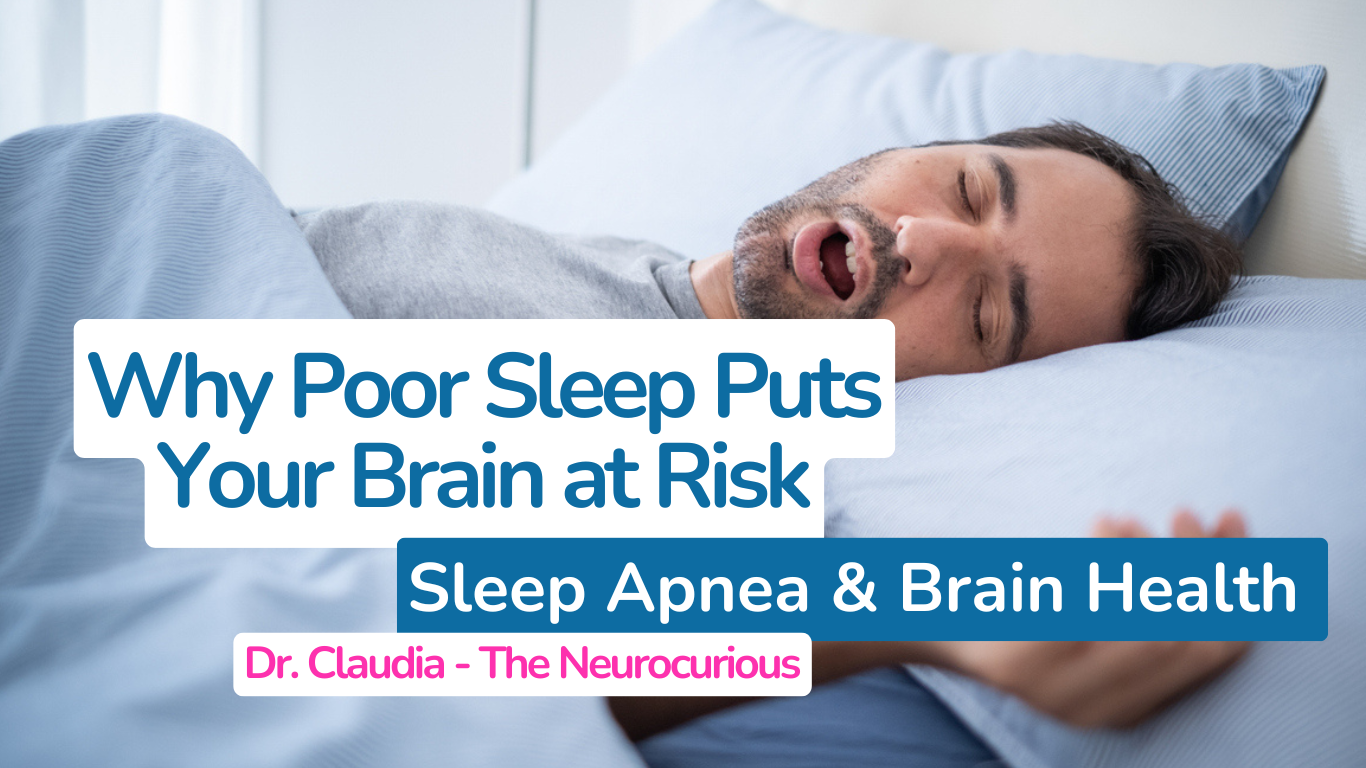
Sleep Apnea & Brain Health
Most people think of sleep apnea as “just snoring.”
But mi gente, I need you to understand something important: poor sleep doesn’t just make you tired, it can damage your brain.
When you stop breathing during sleep, even for a few seconds, your brain is suddenly deprived of oxygen.
These repeated drops in oxygen, happening night after night, place tremendous stress on the brain, weaken tiny blood vessels, and increase inflammation. Over time, this damage raises the risk of stroke, memory problems, cognitive decline, and even dementia.
Sleep apnea is a condition where your breathing repeatedly stops during sleep.
These pauses can last seconds — or even minutes — and they can happen dozens to hundreds of times per night.
Each time your breathing stops, oxygen levels drop.
And when the brain doesn’t get enough oxygen, it starts to suffer.
Sleep apnea can damage the tiny blood vessels that deliver nutrients to the brain causing microvascular damage.
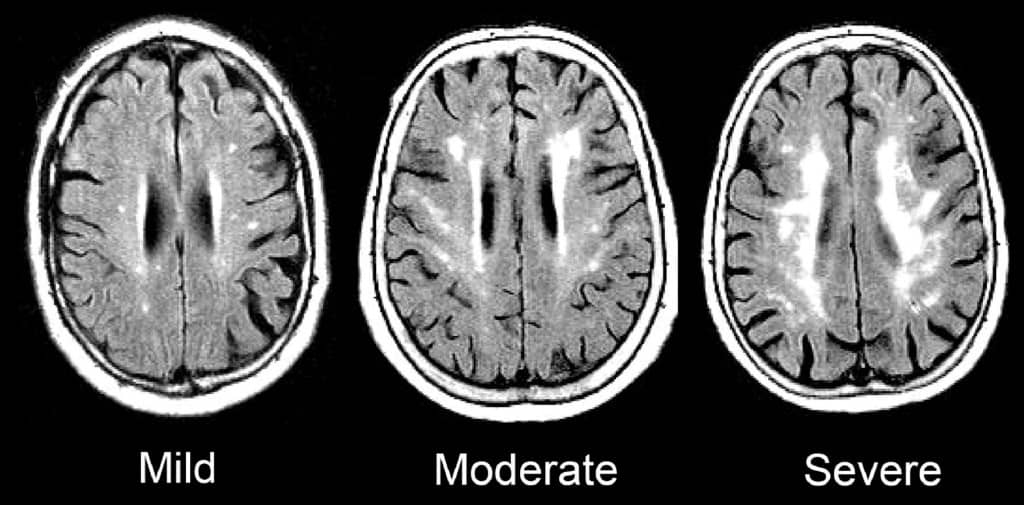
This same microvascular damage increases the risks of:
Stroke
Cognitive decline
Memory problems
Early dementia
When your sleep constantly gets interrupted:
Memory becomes weaker
Concentration becomes harder
Mood becomes unstable
Fatigue affects your day-to-day functioning
Every time the brain struggles for oxygen, your blood pressure spikes.
Over time, these spikes increase your risk of:
ischemic stroke
hemorrhagic stroke
long-term cognitive impairment
The good news is that sleep apnea is treatable — and treatment helps protect your brain.
If you think you might have sleep apnea, get checked out! Getting evaluated can change your health, your energy, and your future brain function.
If you have any questions about sleep apnea, your symptoms, or treatment options, feel free to reach out using the form below.
Stay safe, and Stay Neurocurious. 🧠
