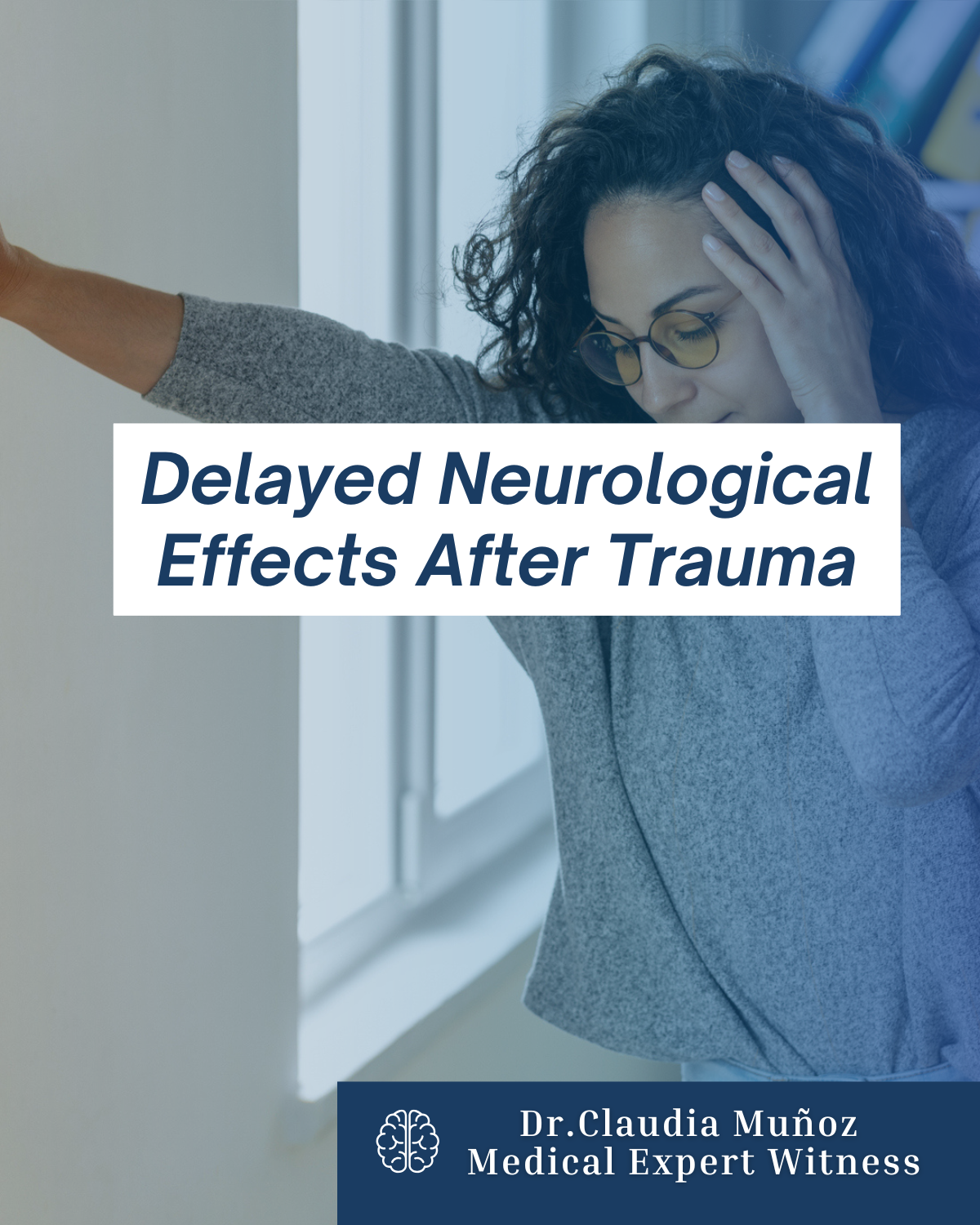
When Symptoms Appear Later: Delayed Neurological Effects After Trauma
Make it stand out
When Symptoms Appear Later: Delayed Neurological Effects After Trauma
Neurological symptoms following trauma are often expected to appear immediately. However, in many cases, symptoms may develop hours, days, or even weeks after the initial event.
From a neurological perspective, delayed symptom onset is a well-recognized phenomenon, particularly in traumatic brain injury (TBI).
This delay is often driven by underlying biological processes that evolve over time, including:
Neuroinflammatory responses
Metabolic dysfunction within neurons
Progressive disruption of neural connectivity
These changes may not produce immediate symptoms but can gradually impair brain function.
As a result, patients may initially appear stable, only to later develop:
Cognitive slowing
Memory impairment
Difficulty with attention and concentration
Headaches or dizziness
Mental fatigue
In many cases, early imaging studies such as CT or MRI are normal. This can lead to the misinterpretation that no injury occurred, particularly when symptoms develop later.
From a medico-legal standpoint, delayed symptoms are often questioned in relation to causation.
However, timing alone does not determine validity.
The key question is whether the mechanism of injury is consistent with the development of delayed neurological symptoms, based on established scientific and clinical principles.
Accurate evaluation requires:
Analysis of the biomechanics of the event
Assessment of the temporal progression of symptoms
Correlation with known neurological patterns
Consideration of alternative explanations
Delayed neurological effects do not indicate the absence of injury. Rather, they reflect the dynamic nature of the brain’s response to trauma.
As a neurologist and medical expert witness, my role is to provide objective, evidence-based analysis to determine whether delayed symptoms are medically plausible and consistent with the reported event.
📩 For case-specific neurological analysis, expert reports, or testimony, please contact:
doctor.claudia@gmail.com
info@drclaudiamunoz.com
Dr. Claudia
Neurologist | Medical Expert Witness
Traumatic Brain Injury & Neurological Cases
